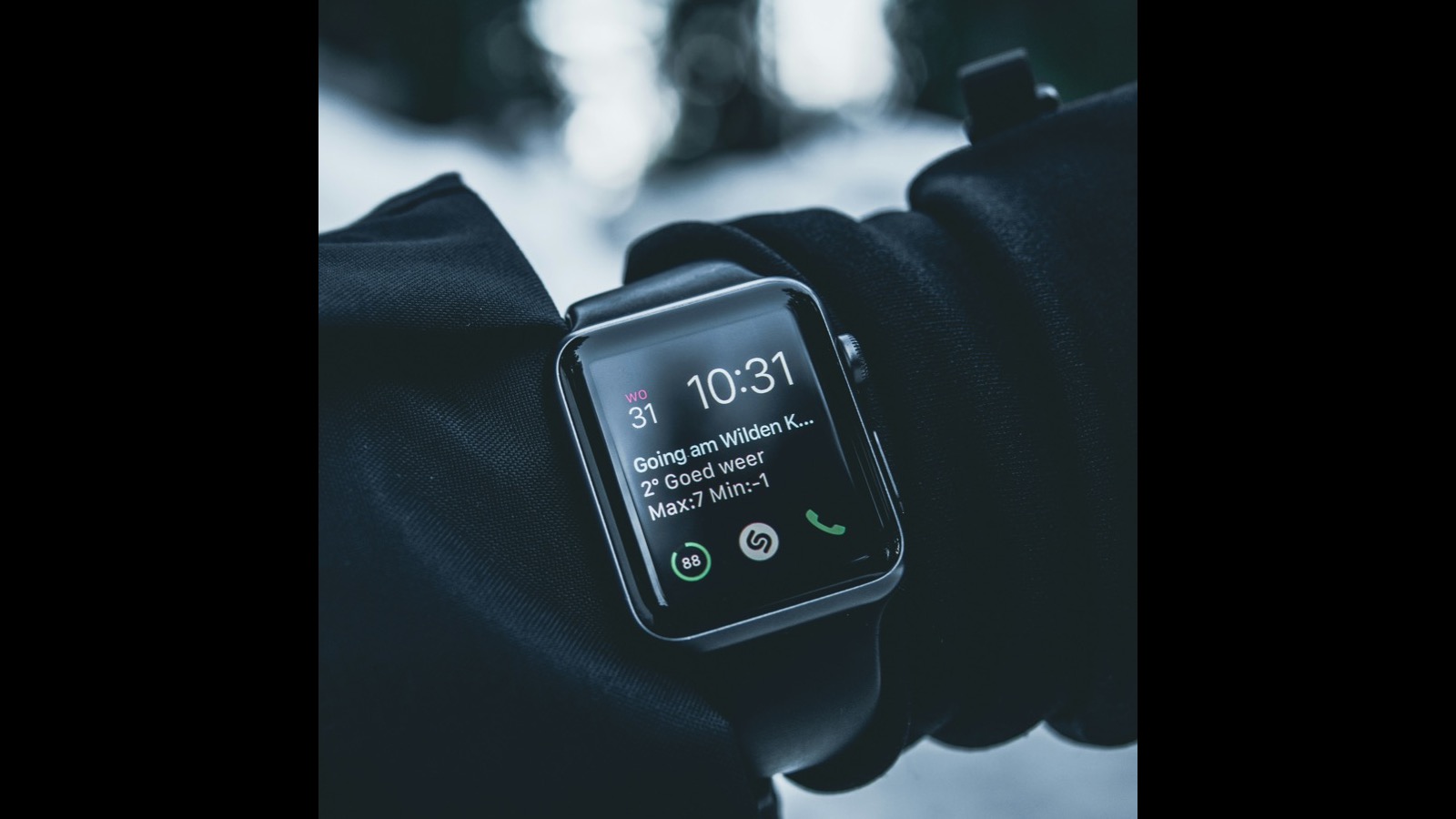
When to Trust Your Wearable (and When to Listen to Your Body)
You wake up, glance at your wrist, and see a recovery score of 92. According to your watch, you're fully charged and ready for a hard workout. The only problem? Your legs feel heavy, your mind is foggy, and the thought of a tempo run makes you want to crawl back under the covers.
So who's right — the algorithm or your body?
This tension between data and intuition is one of the trickiest parts of using a fitness wearable. And if you've ever found yourself arguing with your watch, you're not alone. Let's talk about when to lean into the numbers and when to trust what you're feeling.
YouTube: Related video
What your wearable actually measures
Before we get into when to ignore your watch, it helps to understand what those scores actually represent.
Recovery scores — whether they're called Readiness, Body Battery, or Recovery — are composite numbers. They're not measuring one thing. Instead, they combine several inputs: overnight heart rate variability (HRV), resting heart rate, sleep duration and quality, recent activity, and sometimes skin temperature or respiratory rate. Each brand weights these differently and runs them through proprietary algorithms.
The result is a best guess. A sophisticated one, but still a guess.
This matters because a single bad night of sleep or an elevated resting heart rate can tank your score — even if you actually feel fine. Conversely, a "green" recovery score doesn't mean your muscles aren't sore or your mind isn't fatigued. It just means your autonomic nervous system metrics look normal.
The key insight: your wearable tracks nervous system recovery. It doesn't measure muscular fatigue, mental burnout, motivation, or life stress directly. Those things live in your body, not in your watch.
When to trust the data
There are times when your wearable catches things you'd otherwise miss. Here's where the data deserves your attention:
Spotting trends before you feel them. One of the most powerful uses of a wearable is catching early warning signs. A gradually declining HRV over several days, or a resting heart rate that's creeping up, can signal that you're heading toward overtraining or getting sick — often before you notice any symptoms.
Objectivity when you're biased. We're terrible at self-assessment. After a great night's sleep, you might feel invincible and push too hard. After a rough day, you might talk yourself out of a workout you'd actually benefit from. Your watch provides a neutral second opinion.
Long-term pattern recognition. Individual daily scores are noisy. But when you zoom out to weeks and months, clear patterns emerge. You might notice your HRV always dips after late dinners, or your sleep quality tanks after evening workouts. These patterns are hard to spot without data.
When you're training seriously. If you're following a structured training plan, your wearable's trend data can help you decide when to push and when to back off. It's particularly useful for endurance athletes who train at high volumes.
When to listen to your body instead
Data is useful, but it's not the whole story. Here's when your intuition should take the lead:
Your muscles tell a different story. A green recovery score doesn't mean your quads have recovered from yesterday's squat session. Muscle damage and nervous system recovery operate on different timelines. If your body feels trashed, it probably is — regardless of what the algorithm says.
Mental fatigue is real. Stress at work, emotional upheaval, or decision fatigue won't always show up in your HRV. But they absolutely affect your ability to train hard and recover well. If you're mentally drained, a rest day or easy session is the right call, even if your watch says "go."
You know your own patterns. After months of wearing a device, you learn your personal rhythms. Maybe you always score low on Mondays but feel great. Maybe your HRV is naturally lower than the population average. Context matters more than a single number.
The data might be wrong. Wearables aren't medical devices. Sleep stage tracking is particularly error-prone — studies show wrist-worn devices correctly identify sleep stages only about 60-70% of the time compared to lab-grade polysomnography. If your watch says you got 15 minutes of deep sleep but you woke up feeling refreshed, trust how you feel.
A practical framework
Here's a simple decision-making framework I use with Century AI members:
When both agree (data says go, body says go): Full send. Train hard, enjoy it.
When data says go, body says no: Take it easy. Do something light — a walk, mobility work, or gentle yoga. Your body is telling you something the algorithm missed.
When data says no, body says go: This is the trickiest case. Check the trend — is this a one-day dip or part of a pattern? If it's a single day and you genuinely feel good, a moderate workout is probably fine. If it's a multi-day trend, heed the warning.
When both say no: Rest day. No debate needed.
The bottom line
Your wearable is a tool, not a boss. The best athletes and the healthiest people I know use their data as input — not as instructions. They check the numbers, but they also check in with themselves.
Over time, the goal is to use your wearable less as a daily scoreboard and more as a pattern detector. The magic isn't in today's recovery score. It's in noticing that your HRV has been trending upward for six months, or that your resting heart rate drops when you stop eating within two hours of bedtime.
Century AI helps you spot these patterns automatically — giving you a daily health score and recovery score that adapts to your personal baselines, so you spend less time interpreting data and more time living your life.
Century AI helps you understand your body with a daily health score, recovery score, and sleep insights — using the watch you already wear.