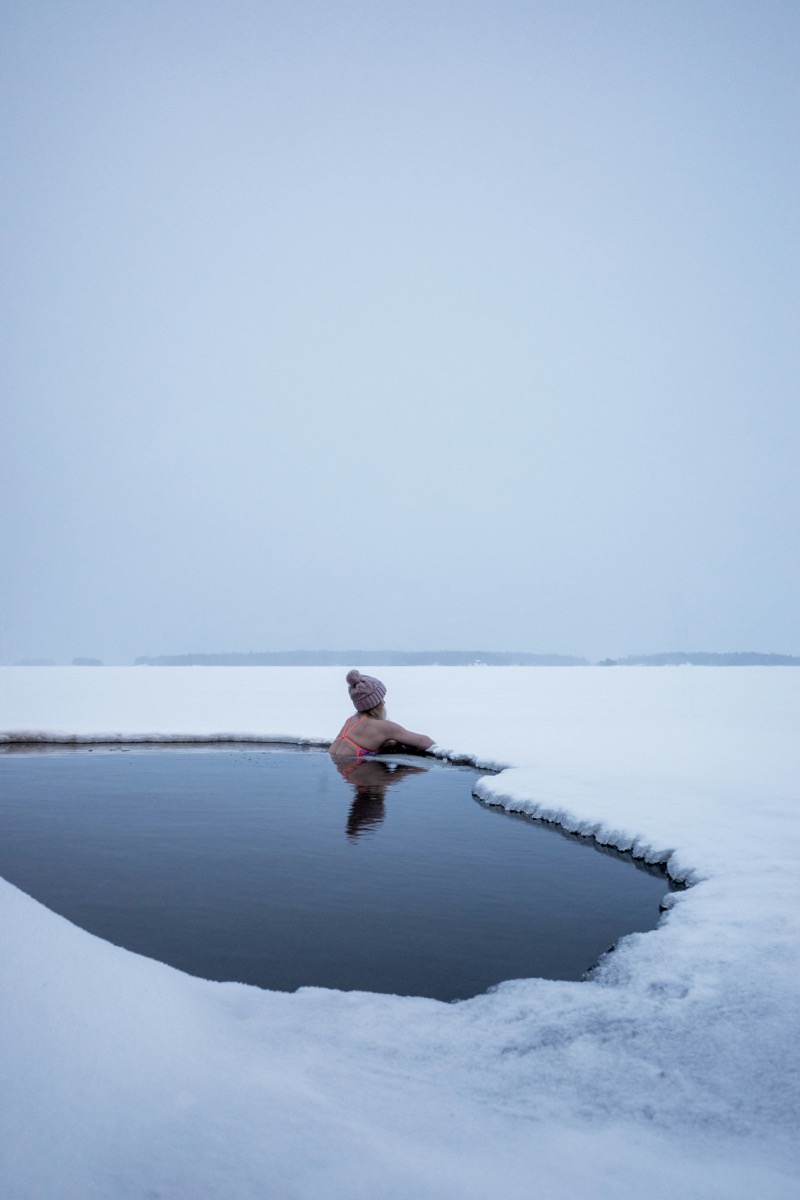
Cold Plunge Recovery Guide: What Ice Baths Actually Do to Your HRV and Recovery
Cold plunges have gone from fringe biohacker territory to mainstream almost overnight. Every gym seems to have a cold plunge tub now, and your social feed is probably full of people gasping in ice water at sunrise. The claims are big: faster recovery, better sleep, boosted immunity, improved mental resilience. But what does the data actually show when you track it with a wearable?
If you wear an Apple Watch, Garmin, WHOOP, or Oura Ring, you've probably noticed that your numbers shift after cold exposure. Sometimes HRV jumps. Sometimes resting heart rate drops. Sometimes the effect lasts for hours — and sometimes it fades within minutes. Here's what the science says, what your wearable data means, and how to cold plunge in a way that actually improves your recovery instead of just giving you a dopamine hit.
TL;DR
- Cold plunges activate the parasympathetic nervous system, increasing HRV and lowering heart rate — but timing matters. Too close to a workout can blunt strength and hypertrophy gains.
- The sweet spot for recovery: 50–59°F (10–15°C) for 2–5 minutes. Colder isn't always better, and longer isn't always more beneficial.
- Your wearable will show a post-plunge HRV spike — this is acute parasympathetic activation, not necessarily overnight recovery. Don't confuse the two.
- Cold exposure after evening workouts can interfere with sleep onset for some people — the sympathetic rebound can delay the body's natural cooling for sleep.
- Century AI tracks your HRV trends across days and weeks — so you can see whether your cold plunge habit is actually improving your baseline recovery or just creating temporary spikes.
YouTube: Related video
What cold exposure actually does to your body
When you get into cold water, your body launches a powerful physiological response. Blood vessels in your skin constrict, shunting blood toward your core to preserve heat. Your sympathetic nervous system fires hard — heart rate spikes initially, and stress hormones like norepinephrine surge. This is the "cold shock" phase, and it's why the first 30 seconds feel brutal.
Then something interesting happens. If you stay in and control your breathing, your parasympathetic nervous system kicks in. Heart rate drops. HRV climbs. This is the phase that recovery enthusiasts are chasing — the post-plunge calm that leaves you feeling clear-headed and reset.
Research published in the European Journal of Applied Physiology found that cold water immersion at 50–59°F (10–15°C) significantly increased HRV markers of parasympathetic activity, with effects lasting 1–4 hours post-immersion. The key finding: the parasympathetic response was strongest when participants practiced slow, controlled breathing during the plunge rather than gasping or tensing up.
Morozko Science published data showing that cold plunges consistently raised HRV (as measured by RMSSD) and lowered resting heart rate in regular practitioners. Their data suggests the effect compounds over time — regular plungers showed higher baseline HRV than occasional users.
What your wearable will show after a cold plunge
If you check your Apple Watch or WHOOP right after a cold plunge, here's what to expect:
- HRV spike: A significant increase in HRV for 1–4 hours post-plunge. This is real parasympathetic activation — your nervous system shifting into rest-and-digest mode.
- Resting heart rate drop: Your heart rate will be lower than baseline for several hours. This is partly due to increased vagal tone and partly due to the body's post-cold rewarming process.
- Recovery score improvement: If your device calculates a daily recovery or readiness score, expect it to be higher on plunge days — especially if you plunge in the morning.
But here's the nuance that most articles miss: an acute HRV spike after a cold plunge is not the same thing as improved overnight recovery. Your body's post-plunge HRV elevation is a temporary nervous system state. Whether that translates into better sleep, faster muscle repair, or improved training readiness overnight depends on frequency, timing, and your individual stress load.
This is where trend data matters. A single high-HRV morning after a plunge means less than a 30-day HRV baseline that's trending upward. If cold plunges are genuinely improving your recovery capacity, you'll see it in the trend — not in a single reading.
When to cold plunge (and when to skip it)
Best times to plunge
- Morning, before your workout: A morning plunge activates your sympathetic nervous system followed by a parasympathetic rebound. You'll get the dopamine and norepinephrine boost for mental clarity, plus the recovery benefits. Leave at least 30–60 minutes between your plunge and a hard workout — cold muscles are injury-prone.
- Midday, between training sessions: If you train twice a day, a short cold plunge between sessions can reduce inflammation and perceived soreness without blunting the training effect.
- Rest days: Cold plunging on rest days is pure recovery — no tradeoffs, no timing conflicts.
When to skip the plunge
- Within 4 hours after strength training: Cold exposure reduces inflammation, and some of that inflammation is the signal your body uses to build muscle. A 2021 meta-analysis in the Journal of Strength and Conditioning Research found that cold water immersion after resistance training reduced long-term strength and hypertrophy gains. If your goal is muscle growth, save the plunge for a different day or at least 4+ hours post-lift.
- Right before bed: For some people, the sympathetic activation from cold exposure can interfere with the body's natural core temperature drop needed for sleep onset. If you plunge in the evening, do it at least 2 hours before bed and monitor how it affects your sleep data.
- When you're already highly stressed: If your HRV is already trending low and your resting heart rate is elevated, adding cold exposure stress on top of life stress can backfire. Your body needs recovery, not another stressor.
How to start cold plunging without making yourself miserable
- Start warmer than you think. 60°F (15°C) is cold enough to trigger the response. You don't need to start at 39°F. Work your way down over weeks as your body adapts.
- Start shorter than you think. 1–2 minutes is plenty for a beginner. The parasympathetic benefits kick in at around 90 seconds — you don't need 10 minutes in an ice bath to get results.
- Control your breathing. Slow, nasal exhales are the single most important technique. This is what shifts your nervous system from panic to calm. Inhale for 4 seconds, exhale for 6–8 seconds. Repeat.
- Warm up naturally. Don't jump straight into a hot shower. Let your body rewarm through movement — light walking, bodyweight exercises, or just letting your metabolism do the work. This extends the metabolic benefits and avoids shocking your system in the other direction.
- Track the trend, not the moment. Use your wearable to monitor whether your baseline HRV is improving week over week. If it's flat or declining despite regular plunges, you might be overdoing the duration, the frequency, or the temperature.
What the research says about frequency
The data on optimal frequency is still emerging, but the consensus from current research and practitioner experience:
- 2–4 plunges per week appears to be the sweet spot for most people. Daily plunging doesn't produce proportionally greater benefits and may increase the risk of cold adaptation blunting the acute parasympathetic response.
- Consistency matters more than duration. Three 2-minute plunges per week produce better long-term HRV improvements than one 10-minute plunge.
- Progressive overload works for cold, too. Just like training, a gradual increase in cold exposure — slightly colder, slightly longer — produces better adaptations than jumping straight into extreme protocols.
Quick summary
- Cold plunges increase HRV and lower resting heart rate through parasympathetic activation — your wearable will confirm this within minutes
- The optimal protocol for recovery: 50–59°F, 2–5 minutes, with controlled nasal breathing
- Don't plunge within 4 hours of strength training if muscle growth is your goal
- Morning plunges offer the best balance of mental clarity, recovery benefits, and minimal sleep interference
- Track your HRV trend over weeks — not single-day spikes — to know if cold plunging is actually improving your recovery
- If your baseline HRV isn't improving despite regular plunging, reduce frequency or duration
Century AI turns your Apple Watch data — HRV, resting heart rate, sleep, and recovery trends — into one clear daily score. See whether your cold plunge habit is actually moving the needle on your recovery, not just giving you a temporary boost.