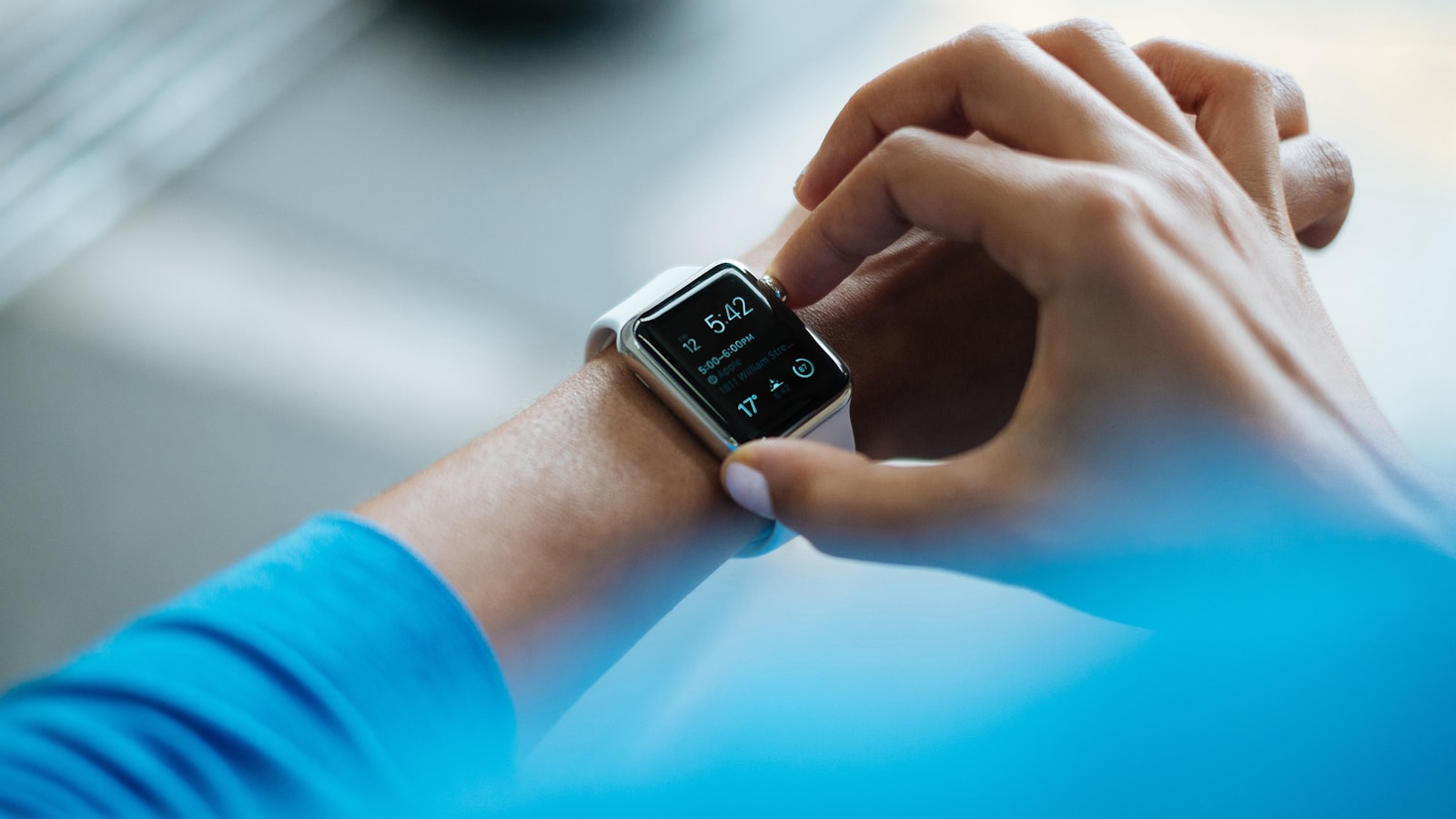
Apple Watch Steps vs Active Energy: Which Metric Actually Matters for Your Health
If you've ever closed your Move ring by 11 AM on a busy day but only walked 4,000 steps, or hit 12,000 steps but barely moved your red ring, you've stumbled into one of the most confusing contradictions on your Apple Watch. Steps and active energy both measure movement — but they measure entirely different things, and chasing the wrong one can lead you down a frustrating path.
The 10,000-step goal has been drilled into us for decades. It's simple, it's satisfying, and it feels objective. But here's the uncomfortable truth: step count alone is a terrible measure of whether you're actually improving your health. A 10,000-step day walking slowly around a shopping mall and a 7,000-step day that includes a 30-minute brisk walk produce wildly different health outcomes — but only one of the two metrics on your watch will tell you that.
TL;DR
- Steps measure quantity of movement; active energy measures quality of effort. They're complementary, not interchangeable.
- Active energy (the Move ring) is better for health outcomes because it captures intensity — the factor most linked to cardiovascular benefit and longevity.
- Steps are still useful for baseline activity tracking, especially if you're sedentary — but once you're regularly active, intensity matters more.
- The Move ring can be misleading if set too low — Apple's default suggestions often fall well below what's needed for meaningful health improvement.
- Century AI doesn't just count steps or calories — it analyzes your heart rate, HRV, and recovery data to tell you whether your activity level is actually improving your fitness or just keeping you busy.
YouTube: Related video
What steps and active energy actually measure
Steps: quantity, not quality
Your Apple Watch uses its built-in accelerometer to detect the characteristic motion of walking. Every time it registers that pattern, it adds to your step count. That's it. Steps don't care whether you're walking uphill at 4 mph or shuffling to the fridge at 0.5 mph. A step is a step.
This makes steps great for one thing: measuring how much you moved. For someone transitioning from a fully sedentary lifestyle, counting steps is genuinely useful — going from 2,000 to 7,000 steps per day produces meaningful health improvements regardless of pace. But there's a ceiling. Once you hit around 7,500–8,000 steps per day, additional steps without additional intensity produce diminishing returns.
Active energy: effort, not just motion
Active energy — the red Move ring — is fundamentally different. It's an estimate of the calories you burn above your resting metabolic rate, calculated using your heart rate, movement data, and personal metrics like age, weight, and sex. A brisk walk at an elevated heart rate burns far more active calories per minute than a slow stroll, even though both register the same number of steps.
This is why active energy captures what steps miss: intensity. And intensity is what drives cardiovascular adaptations, mitochondrial improvements, and longevity benefits. The landmark 2022 study in the European Heart Journal found that exercise intensity was a stronger predictor of all-cause mortality than total volume — meaning how hard you move matters more than how much you move.
Why steps alone can mislead you
The "busy but unfit" trap
Someone with an active retail job might hit 15,000 steps a day but never elevate their heart rate above 100 bpm. Their step count looks impressive, but their cardiovascular system isn't being challenged. From a health perspective, they're "active" but not "fit" — and the distinction matters.
Conversely, someone working a desk job who does a 30-minute HIIT session and a 45-minute Zone 2 walk might only hit 8,000 steps but get dramatically more health benefit from their day.
The 10,000-step myth
The 10,000-step target wasn't born from science — it was a marketing campaign for a Japanese pedometer in the 1960s. Modern research suggests the mortality benefit from steps plateaus around 7,500 per day for older adults and 8,000–10,000 for younger adults. Beyond that, intensity becomes the differentiating factor.
What your Move ring is actually telling you
Your Move ring tracks active kilocalories — the energy you burn through intentional movement and exercise above your resting metabolic rate. Unlike steps, it accounts for:
- Heart rate during activity: Higher intensity = more calories per minute
- Body weight: Heavier bodies burn more calories for the same movement
- Activity type: A workout labeled "Running" gets different calorie estimation than "Yoga"
How to set your Move goal correctly
Apple's default Move goal suggestion is often too conservative. A genuinely health-promoting target should:
- Require at least 30 minutes of elevated heart rate activity to close
- Not close on a completely sedentary day
- Push you to be active beyond just walking to the printer
If you're closing your Move ring by noon without breaking a sweat, it's set too low. Try increasing it by 50–100 calories per week until closing it requires real effort — not a killer workout every day, but meaningful movement.
Which metric should you prioritize?
The answer depends on where you're starting from:
If you're sedentary (under 5,000 steps/day)
Focus on steps first. The biggest health gains for sedentary people come from simply moving more. Aim for 7,500–8,000 steps as a baseline. Don't worry about intensity yet — just build the habit of regular movement.
Once you're consistently hitting that baseline, shift your attention to active energy and start making some of those steps count more.
If you're moderately active (5,000–10,000 steps/day)
Focus on active energy and the Move ring. You're already moving enough. The question now is whether that movement is challenging your cardiovascular system. Replace some slow walking with brisk walking. Turn one daily walk into a ruck (walking with a weighted backpack). Add one or two sessions per week where you intentionally elevate your heart rate.
If you're very active (10,000+ steps/day)
Focus on heart rate zones, not steps or calories. At this level, steps and active calories become noisy metrics. What matters is how much time you're spending in Zone 2 (conversational pace, 60–70% of max HR) and whether you're getting any Zone 4–5 work (hard efforts). Your Apple Watch's heart rate zone display during workouts is more valuable than either step count or the Move ring at this stage.
How Century AI connects the dots
Steps and active energy tell you what you did. They don't tell you what it did to you. Two people can have identical step counts and identical Move ring closures on the same day — and wake up with completely different recovery scores the next morning.
Century AI looks at the full picture: how your activity (captured through steps, active energy, workout data) interacts with your body's response (HRV, resting heart rate, sleep quality, respiratory rate). A day with 12,000 steps and a closed Move ring might look great on paper — but if it tanked your HRV and elevated your resting heart rate overnight, Century tells you to take it easier tomorrow. That's the difference between tracking activity and understanding recovery.
Quick summary
- Steps measure how much you moved; active energy measures how hard you worked — they're different metrics for different purposes
- Prioritize steps if you're sedentary (under 5,000/day); shift to active energy and heart rate zones as your baseline activity increases
- The 10,000-step goal is a myth — health benefits plateau around 7,500–8,000 steps for most people
- Set your Move goal high enough that closing it requires real effort — if it closes without trying, it's not helping you
- Intensity beats volume for cardiovascular health — a 30-minute brisk walk beats 10,000 slow steps
- The real question isn't "did I move enough?" but "did I move in a way that made me fitter?" — and only recovery data can answer that
Century AI doesn't just track what you did — it tells you what your body did with it. Connect your Apple Watch and get daily recovery, health, and sleep scores that turn raw data into actionable insight.