Cold Exposure and Recovery: What Ice Baths Do to Your HRV and Sleep
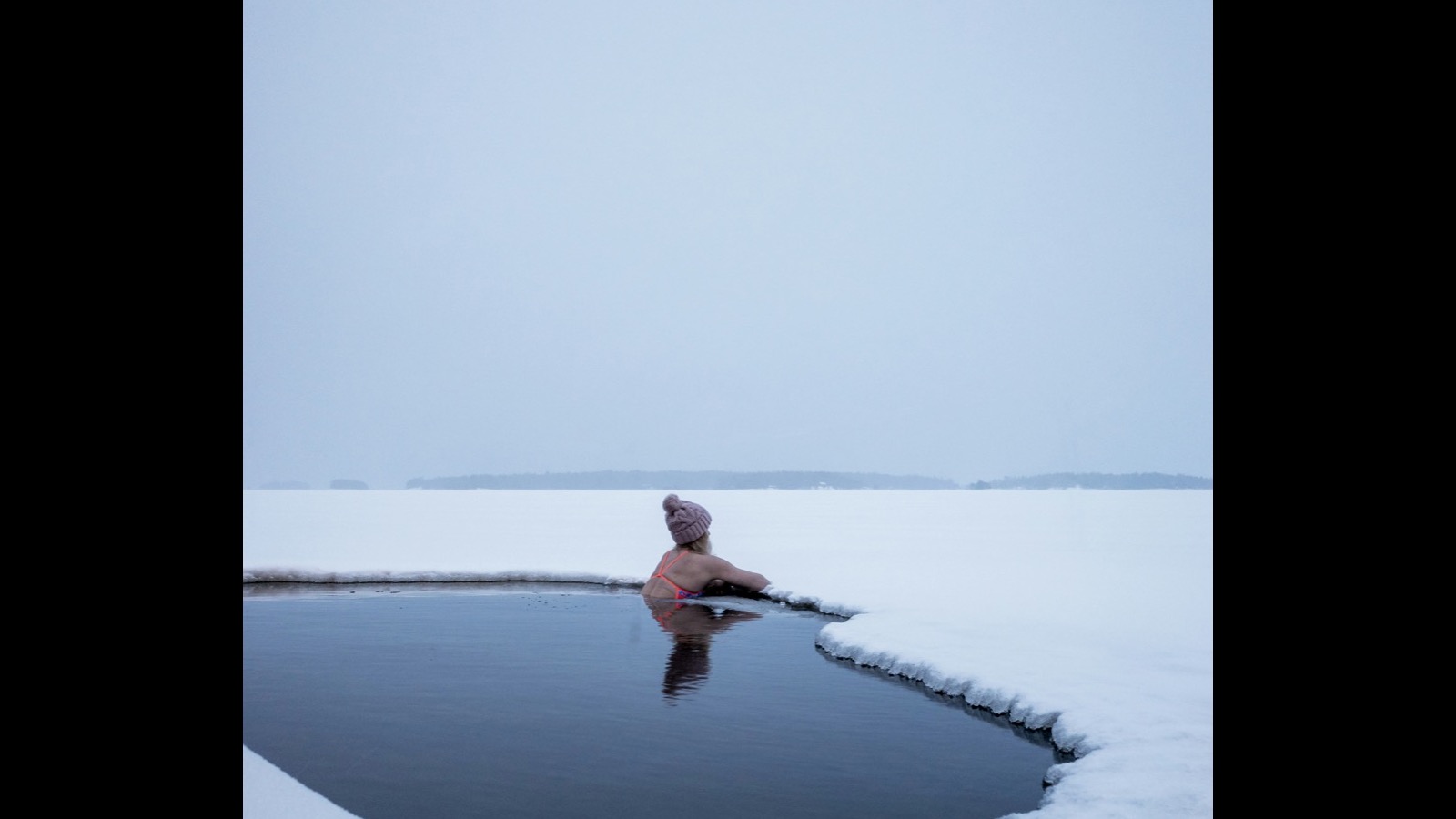
Cold plunges have gone from fringe biohacker territory to mainstream wellness in a few short years. You've seen the photos: someone sitting in a tub of ice water at dawn, steam rising, looking impossibly serene. But beyond the Instagram aesthetics, there's real physiology at play — and your Apple Watch or Garmin can actually show you the effects.
So what does deliberate cold exposure do to your body, your HRV, your sleep, and your recovery? And how do you do it without overdoing it?
YouTube: Related video
What happens to your body in cold water
The moment you step into cold water, your sympathetic nervous system fires up. Blood vessels constrict, heart rate spikes, and stress hormones like norepinephrine surge. It feels like the opposite of calm — and that's exactly the point.
The magic happens after you get out. As your body warms back up, your parasympathetic nervous system (the "rest and digest" branch) kicks in hard. Heart rate drops, breathing deepens, and HRV rises. This rebound effect is what makes cold exposure a recovery tool, not just a toughness test.
Research shows that regular cold exposure increases baseline HRV over time. It essentially trains your nervous system to switch more efficiently between stress and relaxation modes — a kind of physiological flexibility that benefits everything from workout recovery to emotional regulation.
What your wearable will show
If you track HRV with an Apple Watch, Garmin, or Oura ring, pay attention to these patterns after cold exposure:
Immediate hours after: HRV typically rises above your baseline as your body shifts into parasympathetic recovery mode. You might also see a lower resting heart rate during this window.
Overnight after a morning plunge: Many people see their best overnight HRV numbers on days they did cold exposure early in the day. Morning seems to work better than evening — cold exposure too close to bedtime can be stimulating rather than calming, and may delay sleep onset.
Long-term trend: Over weeks of consistent practice (2–4 sessions per week), watch for your weekly average HRV trending upward. This is the real prize — a more resilient autonomic nervous system.
Timing matters more than temperature
You don't need a perfectly calibrated ice bath at exactly 10°C to get benefits. The key variable is actually when you do it, not how cold it is.
Morning is ideal for most people. It fits naturally with your circadian rise in cortisol, wakes you up, and gives your body the rest of the day to experience the parasympathetic rebound. Many people report better focus and mood for hours after a morning cold plunge.
Post-workout cold exposure is more nuanced. If your goal is muscle growth or strength gains, plunging immediately after lifting might blunt those adaptations slightly by reducing inflammation too aggressively. But if you're an endurance athlete stacking training sessions, post-workout cold can speed up perceived recovery and reduce soreness.
Evening is trickier. Cold exposure raises core temperature after the plunge (as your body works to rewarm), which can interfere with the natural temperature drop your body needs to fall asleep. If you do plunge in the evening, give yourself at least 2 hours before bed.
How to start (without buying a $5,000 tub)
You genuinely don't need fancy equipment. Here's a progression that works:
- Week 1–2: End your regular shower with 30 seconds of cold water. That's it. Focus on slow, controlled breathing while you're under the water.
- Week 3–4: Extend to 60–90 seconds. Try a full cold shower 1–2 times per week.
- Month 2+: If you're enjoying it, consider a basic cold plunge setup — even a simple stock tank or a bathtub with ice works. Aim for 2–4 minutes at a temperature that's challenging but not unbearable (10–15°C is a good starting range).
The most important rule: breathe. The gasping reflex is normal and temporary. Slow, controlled exhales calm your nervous system and make the experience far more manageable.
When to skip it
Cold exposure is a stressor — a beneficial one, but a stressor nonetheless. If your recovery score is already low, if you're sick, or if you're in a high-stress period with poor sleep, adding cold exposure on top of that might dig a deeper hole rather than build resilience.
Your wearable is your guide here. If HRV is trending down and resting heart rate is up, prioritize sleep, gentle movement, and good nutrition. The ice bath will still be there when you're ready for it.
Century AI gives you a daily recovery score that synthesizes HRV, resting heart rate, sleep quality, and training load — so you know whether today is a push day, a recover day, or a perfect day for a cold plunge.
Quick summary
- Cold exposure triggers a parasympathetic rebound that raises HRV
- Morning plunges fit your circadian rhythm best
- Post-workout cold is good for endurance recovery, less ideal for muscle growth
- Avoid cold exposure within 2 hours of bedtime
- Start with 30-second cold showers — no equipment needed
- Skip it when your recovery metrics are already low
- Consistency (2–4x/week) builds long-term nervous system resilience
Century AI helps you understand your body with a daily health score, recovery score, and sleep insights — using the watch you already wear.